5 Good Things We Love About Rosalia’s ‘LUX’ Album
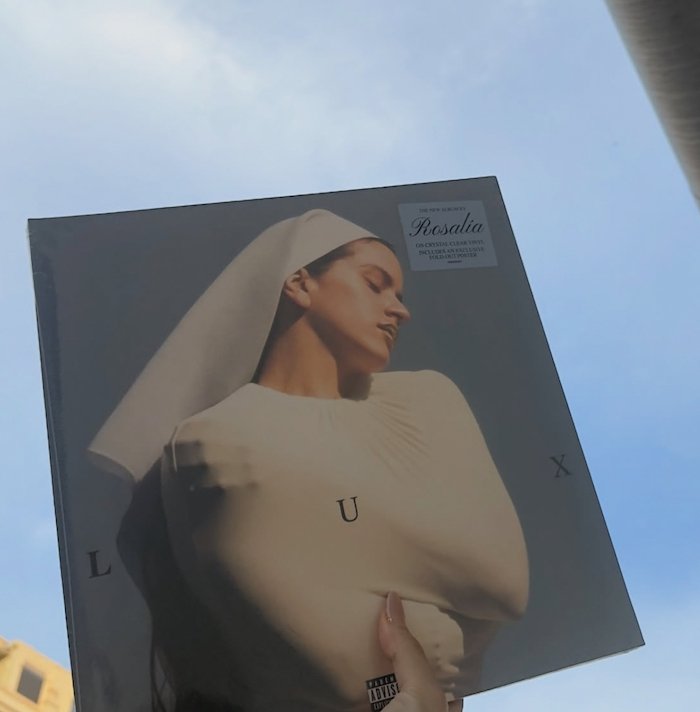
credit: @rosalia.vt
🌍 Rosalia sang in 13 languages throughout the album including her native tongue of Spanish, English, Catalan, Latin, Sicilian, Arabic, German, Italian, Ukranian, Portugese, Latin, Mandarin and French.
This symphony of languages connecting the musicals of pop, opera, classical, flamenco and some say even goth. It was mentioned in an interview that each of the different languages’ lyrics is in homage to the story of female saints.
The orchestra.
You either love an orchestra or you do not. I am a strict lover of orchestral sounds, movement, emotions, everything that comes out of it brings me closer to spirituality. I love it when music can do that for me. As we’re at the tail end of 2025 when this album launched, but I hope this means that Rosalia introduced (rather invented) orchestral pop music. Too soon to tell?

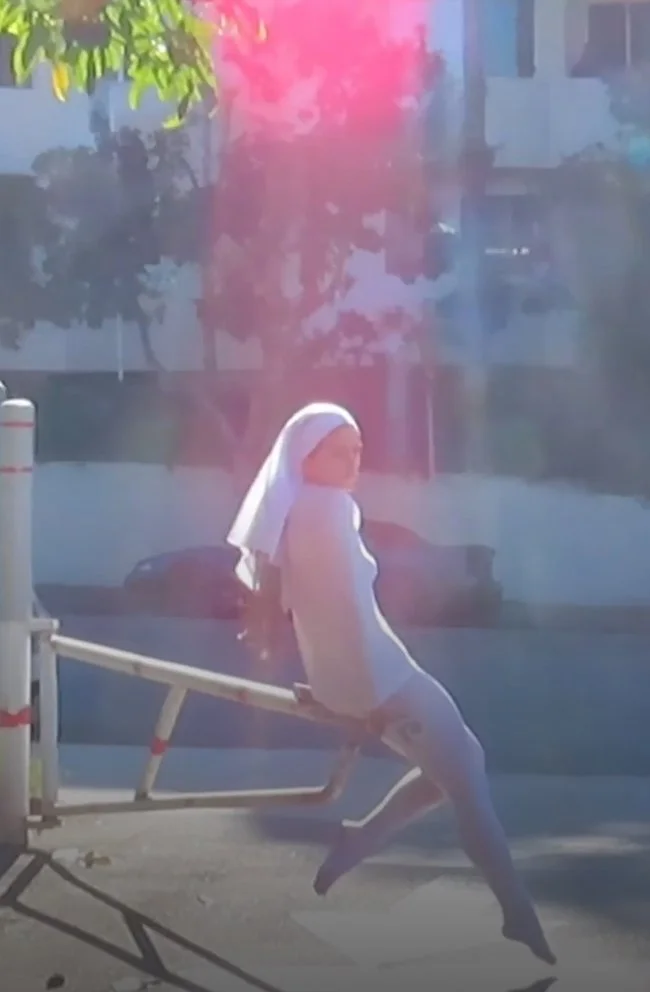
Rosalia’s concentration of prayer while making this album.
She talked about how much prayer meant to her focus during the production of LUX , the important role it played in signifying what was meant to be created. In “Berghain”, Bjork sings about “divine intervention” over Yves Tumor’s aggressive vocal cuts of sexual tension (which is in reference to boxer Mike Tyson’s 1995 interview after his prison release). This entire album lends to what is dark and light, but also in the middle lies the underbelly - the things unspoken and perhaps feared.


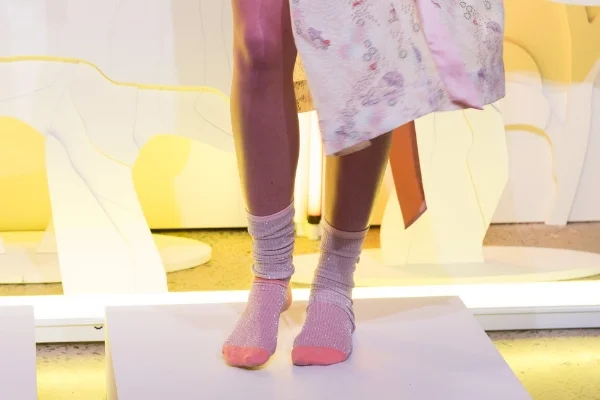


The fact that from the first time listening to the entire album to now many times over, LUX makes me want to change my life.
Similarly to how a mainstream pop album can encourage you to want to find love somewhere unexpected, Rosalia took many creative risks in producing an album where it is profoundly symbolic and emotional. LUX exemplifies an artist’s work through and through down to the smallest detail from the lyrics, the intentions behind the production value and collaborations, the music videos. If I couldn’t listen to another album ever again, I would honestly be fine, committed to LUX.
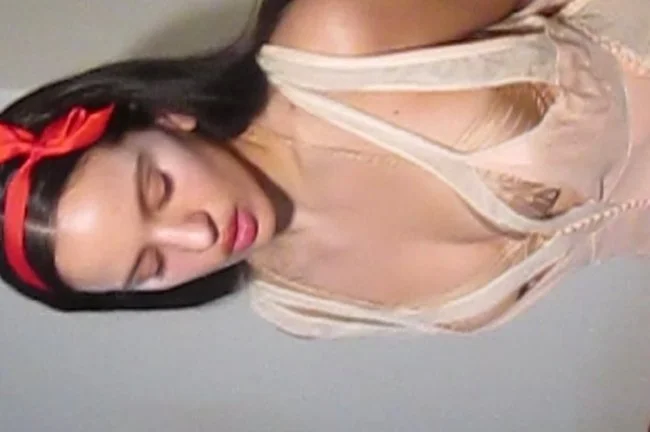
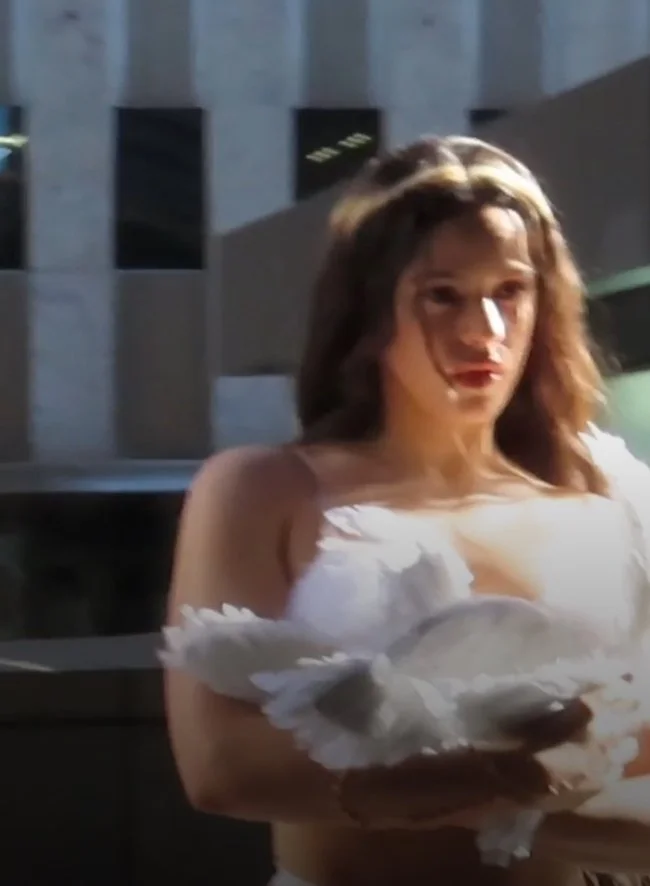
credit: @rosalia.vt
On Berghain, the actual nightclub the song is based on: In her interview with Zane Lowe, Rosalia revealed why she named the song after the infamous, very exclusive Berlin techno nightclub.
First of all she has never actually been to Berghain, which I find endearing as she explains she has always wanted to, but would never dare to. You can hear more from her in the interview below.