5 Things You Should Know About Pina Bausch

all images sourced from Pinterest
Philippine “Pina Bausch was a German dancer/choreographer who contributed greatly to the neo-expressionist dance scene known as Tanztheater. Widely known for her stylized blend of dance movement, sound design and artistic sets, Bausch highly influenced modern dance in the 1970’s and today.
She revolutionized the way dance was seen and perceived forever. Although her work was criticized severely for being too strange, too violent which was to say that Bausch ignited far more emotion and humanity into her work than most expected.
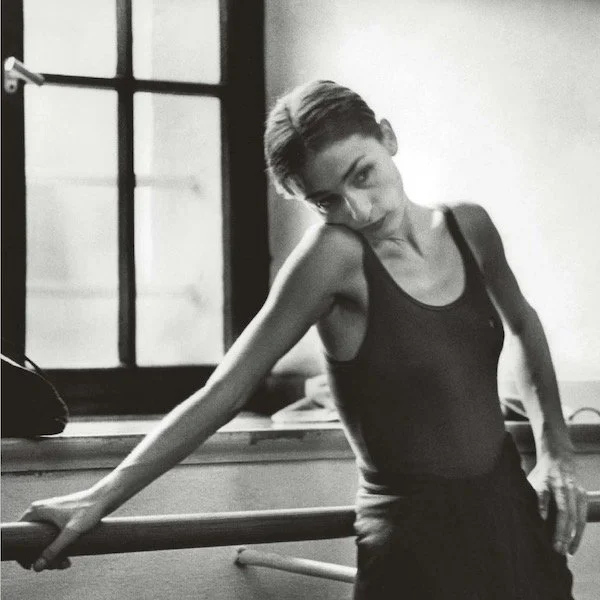
Pina Bausch left Germany in 1959 on a scholarship from the German Academic Exchange Service to study at the Juilliard School in New York City. By 1960 she performed at the Metropolitan Opera Ballet Company, which then led her to perform in Italy and around the world.
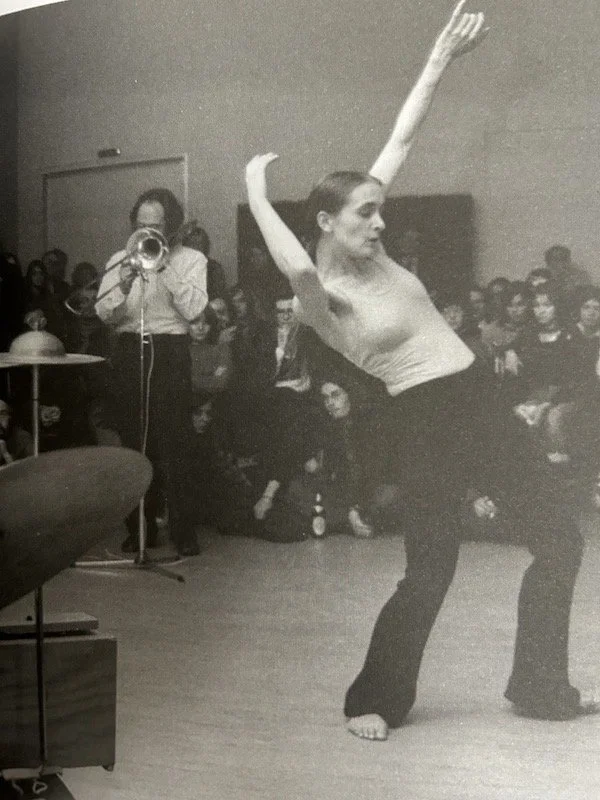
In 1973 she had taken over as director of Wuppertaler Buhnen, the municipal performing arts organization of Wuppertal, Germany. Given full artistic autonomy, Bausch renamed it the Tanztheater Wuppertal, sparking criticism and controversy as the general audiences preferences were more traditional — such as Swan Lake. Many considered Bausch’s work and movement to be violent, often depicted the trauma and abuse of relationships between men and women. During performances people walked out or threw tomatoes, she even received threatening letters.
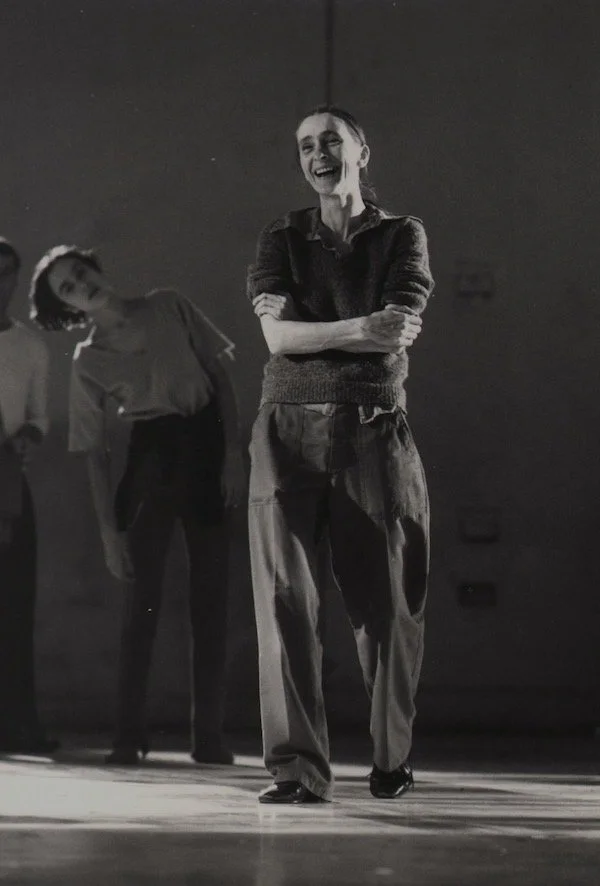
In 2009 director Wim Wenders was to begin shooting a documentary following Bausch and her ensemble company, but she had suddenly passed away from lung cancer before the film’s shoot date. With the support from her family and company dancers, Wim Wenders was able to film the documentary as more of a tribute, Pina premiered at the Berlin Film Festival in 2011.









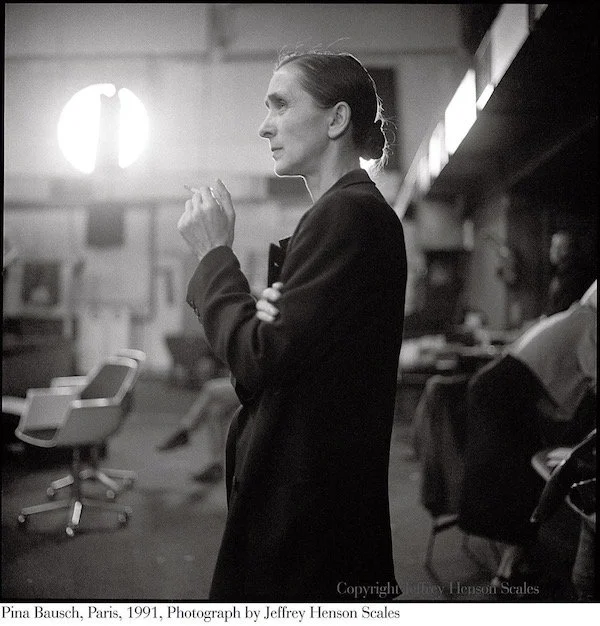
Her work and style has inspired and influenced many artists past and present such as David Bowie, Florence Welch of Florence and the Machine and French filmmaker Chantal Akerman. Akerman documented her work One Day Pina Asked (1983) as a visual retrospect of Bausch’s combination of dance, gestures, theatre and repetition which became integral components of Tanztheater.
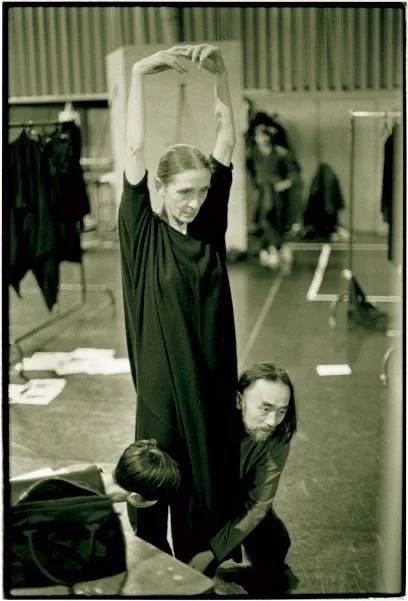
Bausch collaborated with Japanese fashion designer Yohji Yamamato, connecting their worlds of dance and fashion. Both of the visionaries shared a distaste for the conventional. In 1998 they collaborated for the 25th Anniversary of her dance company Wuppertal. Dancers were costumed in Yohji Yamamato pieces that resembled “second skin”, the designer himself performed on stage contributing karate movements. Yohji Yamamato referred to Bausch as a muse whose motion embodied a “perfect silhouette”.